 Thailand
 Malaysia
 Singapore
 Indonesia
 Philippines
 Australia
 United
States
United
States United Kingdom
 India
India























































 Thailand
 Singapore
 Indonesia
 Australia
 United States
 United Kingdom
Ergonomic Chair Buying Guide: 5 Non-Negotiable Features for Maximum Productivity and Posture

Make the best of your potential with a superior ergonomic support that maintains correct posture and minimizes discomfort during extended periods of sitting.
An ergonomic chair makes reduces fatigue, alleviates back and neck pain, and increases focus and productivity for competitive gamer, streamer, or work-from-home professional who spend many hours in front of a desk, thus needing a comprehensive body support to avoid long-term health issues.
Summary of Key Information
-
Product Group: Ergonomic Office Chairs (เก้าอี้เพื่อสุขภาพ)
-
Primary Purpose: To enforce optimal posture, reduce strain/pain (Office Syndrome), and maximize sustained focus/productivity during long work sessions.
-
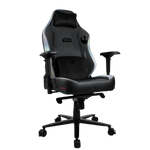
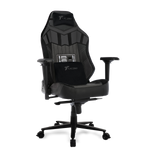
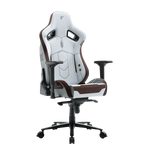
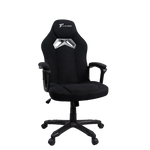
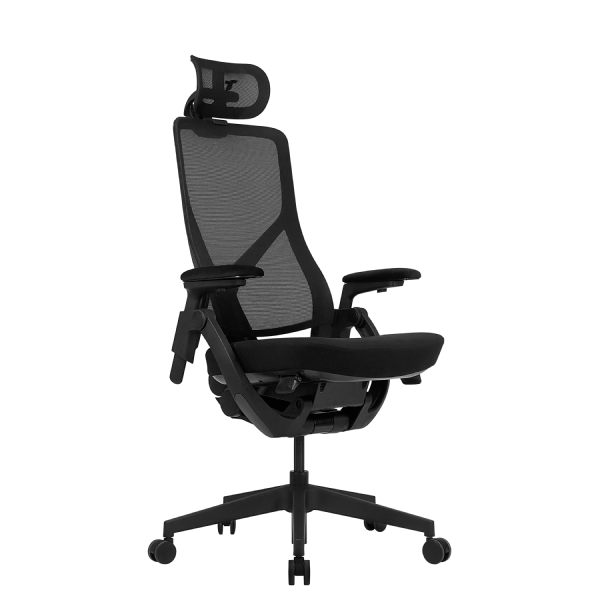
TTRacing Models: Airflex v1, Airflex v2, Aeroflex
-
Non-Negotiable Features: Adjustable Lumbar Support, Adjustable Seat Depth (Seat Slider), Multi-Axis Armrests (3D/4D), Pneumatic Height Control, Synchronous Tilt Mechanism.
-
Key Advantage (Thailand): Designed to fit local body frames; features high-tension, breathable Mesh material (e.g., Aeroflex) crucial for the tropical climate.
-
Caution: Must be manually adjusted (personalized) to the user's body to receive the full ergonomic benefit; investment is tied to long-term health preservation.
-
Essential Reading: Comprehensive Warranty Card, User Guide for proper adjustment techniques.
-
Latest Update: October 2025
The Cost of Sitting Still
Today's work environment often demands eight or more hours seated. While this is necessary for productivity, prolonged, static sitting without proper support is a major contributor to musculoskeletal issues, most notably chronic lower back and neck pain. This guide breaks down the essential mechanical features that turn a simple chair into a preventative health tool, ensuring maximum comfort and focus.
The Hidden Productivity Drain
In the modern professional landscape, the hours spent at a desk far exceed those dedicated to physical activity. This sedentary reality, unfortunately, comes with a hidden cost: chronic physical pain. Slouching, neck stiffness, and persistent lower back pain are not merely discomforts; they are significant productivity drains. When the body is in chronic pain or poor alignment, the brain struggles to maintain concentration, leading to increased fatigue and measurably lower work output. The selection of an ergonomic chair is therefore not a luxury—it is the fundamental tool for achieving sustained mental focus and safeguarding long-term physical health in any contemporary workspace. A truly supportive office chair ergonomic design directly translates physical well-being into professional efficiency.
Defining "Non-Negotiable"
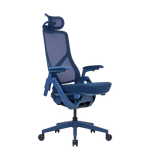
The market is saturated with chairs claiming to be "ergonomic," but true ergonomic quality is defined by adaptability. A single chair must be capable of perfectly conforming to a variety of unique body types and work habits. For TTRacing, our focus is on providing high-specification seating solutions that deliver this custom fit. The following five features are the non-negotiable essentials that allow you to tailor the chair precisely to your unique body, and these are prioritized in our key models, such as the popular Airflex v1, the newly enhanced Airflex v2, and the premium Aeroflex.
Differentiation Across the Lineup
To help you select the ideal chair for your needs, here is a quick comparison of the key distinguishing features between our leading ergonomic models:
-
Airflex v1 (The Essential Workhorse):
-
Focus: Excellent baseline ergonomics and value.
-
Armrests: Standard 3D adjustment (Height, Depth, Pivot).
-
Seat Depth: Fixed depth (suitable for average height users).
-
Lumbar: Integrated adjustable lumbar support.
-
Airflex v2 (The Enhanced Standard):
-
Focus: Core ergonomic features with critical personalized fitting.
-
Armrests: Upgraded 4D adjustment (Height, Depth, Pivot, Width).
-
Seat Depth: Fully Adjustable Seat Slider (Non-negotiable Feature #2), allowing a perfect fit for a wider range of leg lengths.
-
Lumbar: Dynamic, pressure-sensitive lumbar support.
-
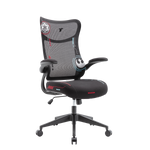
Aeroflex (The Premium Elite):
-
Focus: Maximum luxury, durability, and complete adaptability.
-
Armrests: 5D adjustment with unique side-to-side contouring.
-
Frame: High-grade, polished Aluminum alloy frame and base.
-
Materials: Superior, high-tension German-engineered mesh for maximum breathability and durability.
-
Headrest: Multi-axis adjustable headrest and neck support.
Feature 1 (The Foundation): Fully Adjustable Lumbar Support
The lumbar region is the most common source of desk-related pain, making robust, adjustable support in this area the most critical feature of any truly ergonomic seat.
Posture & Requirement
Supports the spine's natural S-curve to prevent kyphosis (slouching). The human spine naturally forms an S-curve, and maintaining this curve is critical to distributing body weight evenly and preventing pressure on the discs. Effective lumbar support must be independently adjustable in two dimensions: height (to position the support correctly within the curve of the lower back) and depth/tension (to customize the amount of pressure applied). This two-axis adjustment ensures the ergonomic work chair actively supports the spine’s natural curvature, preventing the onset of back pain.
Productivity Impact
By properly supporting the spine, this feature significantly reduces disc pressure and strain on the lower back musculature. This stability enables users to sit comfortably for longer, focused work periods without the instinctive need for frequent stretch breaks or fidgeting caused by discomfort.
Feature 2 (The Fit): Adjustable Seat Depth (The Seat Slider)
The seat pan is the platform for your lower body, and if it doesn't fit your unique leg length, it will compromise circulation and lead to chronic discomfort.
Circulation & Requirement
Ensures the "2-3 Finger Rule" (gap between the seat edge and the knees) to prevent pressure points. The seat pan's depth is crucial for maintaining healthy circulation in the lower limbs. To achieve this personalized fit for users of various heights, the seat pan must be able to slide forward and back via an intuitive lever (the seat slider). This functionality is what separates a good chair from the best ergonomic chair for any individual.
Productivity Impact
When the seat pan is too deep, it presses against the back of the knees, restricting blood flow. This restriction leads to leg numbness, fidgeting, and fatigue by maintaining healthy blood circulation to the legs and feet. A correctly adjusted seat depth eliminates these pressure points, maintaining healthy circulation and promoting focused, static sitting when required.
Feature 3 (The Alignment): 3D or 4D Adjustable Armrests
While often considered secondary, properly configured armrests are essential for isolating and relaxing the upper body, which relieves the primary sources of tension headaches.
Upper Body Support & Requirement
Must adjust (Height, Width, Depth, Pivot) to allow forearms to be parallel to the floor, elbows at a 90° angle, and shoulders relaxed. Armrests must also clear the desk height. To provide adequate support, the armrests must be adjustable in multiple directions: Height (up/down), Width (in/out), Depth (forward/back), and ideally Pivot (angle). This comprehensive adjustability is key to a high-quality office ergonomic chair.
Productivity Impact
Relieves strain on the neck, shoulders, and upper back, which are primary sources of tension headaches. By properly supporting the weight of the arms (which is significant), the chair relieves the muscles surrounding the neck and upper spine, allowing the user to remain relaxed and focused for extended periods.
Feature 4 (The Height Standard): Pneumatic Seat Height Control
The most fundamental adjustment, seat height determines your relationship with your desk and monitor, establishing the foundation for all other ergonomic settings.
Desk Interface & Requirement
The easy-to-use lever must allow the chair to achieve the correct "feet flat on the floor, thighs parallel" position for the specific user and desk height. This establishes the ergonomic baseline, ensuring the user is positioned correctly relative to their workspace. Only chairs featuring smooth, reliable pneumatic control can be accurately defined as chair ergonomic.
Productivity Impact
Establishes the correct sightlines to the monitor and ensures the core seating posture is sound relative to the workspace. Correct height adjustment prevents the user from craning the neck up or down, minimizing the micro-adjustments that disrupt deep concentration.
Feature 5 (The Movement): Synchronous Tilt Mechanism
Static sitting, even in the perfect posture, is detrimental over long periods. This mechanism is crucial for enabling healthy, dynamic movement without losing support.
Dynamic Sitting & Requirement
The mechanism where the backrest reclines faster than the seat pan tilts, maintaining hip alignment. Requires a locking function and an adjustable tension knob. This mechanism is designed to facilitate "dynamic sitting" by ensuring that when the backrest reclines, the seat pan tilts at a much slower ratio, maintaining a consistent and healthy hip angle.
Productivity Impact
Encourages "active sitting" (shifting posture frequently), improving blood flow and reducing the mental lull associated with static sitting. This activity reduces the mental lull and restlessness often associated with static, sustained sitting, keeping the mind alert and engaged throughout the day.
Conclusion: Making the Final Decision
Beyond the 5: Other Factors to Consider. While the five features listed above are non-negotiable for achieving a personalized ergonomic fit, other factors determine the long-term value of your investment. These include the choice of material (Breathable Mesh, durable Fabric, or premium Leather), the underlying build quality, and the comprehensiveness of the local warranty. For many customers in the region, particularly the expat community and professionals seeking maximum comfort, higher-tier models—such as the Aeroflex—are often chosen for their superior materials and additional features like advanced headrest adjustment, prioritizing luxurious feel and robustness far beyond these five essentials. When searching for the best ergonomic office chair, especially in Thailand, verify the local support available. TTRacing Thailand provides the necessary guarantees and expertise.
Optimize Your Productivity

The best chair for you is not merely the most expensive one; it is the one that fits you perfectly. By prioritizing these five non-negotiable features, you move beyond generic seating to a tailored experience that maximizes your well-being. Investing in a high-quality, adjustable ergonomic chair Thailand now is the most effective way to prevent future chronic pain, safeguard your physical health, and maximize your day-to-day work performance.
Invest in comfort free from chronic pain.
Your workspace is the engine of your career, and the right ergonomic chair is the fundamental tool for peak performance. Choosing TTRacing means selecting a locally-supported product designed for long-haul comfort, helping you safeguard your health while achieving continuous, focused work output every day.
Follow news and great promotions from TTRacing Thailand at
Facebook: TTRacing Thailand
TikTok: TTRacing_Thailand (Live channel)
Instagram TTRacing_th
X: TTRacing
YouTube: TTRacing
Information By
Author: Ergonomic Chair & Lifestyle Content Team
Reviewer: Ergonomic Chair Specialist
Role: To provide advice on selecting the correct chair and proper sitting posture.
Contact Channels: hello@TTRacing.co | Tel. 097-064-3960 | Line @TTRacing | Facebook TTRacing Thailand
Frequently Asked Questions (FAQ)
-
Given the heat in Thailand, is Mesh material necessary, or is Fabric/Leatherette sufficient?
While TTRacing offers durable fabric options, high-tension Mesh (featured in the Aeroflex line) is highly recommended for the Thai climate. Mesh allows for continuous airflow across your back and seat, preventing heat buildup and sweating. This is crucial for maintaining focus and comfort during long, un-air-conditioned or humid sessions.
-
I currently have chronic back pain. Will an ergonomic chair fix my posture issues?
An ergonomic chair like the Airflex or Aeroflex is a powerful tool designed to support and correct your spine's natural posture. It actively reduces disc pressure and strain. However, it is not a cure for chronic pain developed over years of poor sitting. For best results, use the chair combined with frequent breaks, stretching, and consultation with a medical professional. The chair's primary role is prevention and support.
-
Why should I choose the Airflex v2/Aeroflex over the entry-level Airflex v1?
The key difference lies in the Adjustable Seat Depth (Seat Slider) found on the Airflex v2 and Aeroflex. This feature is crucial for a perfect fit, especially for shorter or taller individuals, as it ensures the seat edge does not cut off circulation behind the knees. Choosing the v2 or Aeroflex is an investment in achieving a truly personalized, non-negotiable ergonomic fit.
-
I feel a bit uncomfortable in my new ergonomic chair. Is this normal?
Yes, temporary discomfort can be normal. If you are switching from an old, poorly-supportive chair, your body's muscles and spine may need 1 to 4 weeks to adjust to the correct, supported posture. During this period, your body is "unlearning" bad habits. Ensure you have properly adjusted all five non-negotiable features—especially the lumbar support and seat height—to your body for the fastest and most comfortable transition.
-
How do I properly clean and maintain the high-tension German-engineered Mesh (Aeroflex)?
Mesh is highly durable and easy to maintain. To clean the Aeroflex mesh, simply use a microfiber cloth dampened with a little water or a mild soap solution, wiping gently. Unlike foam or fabric, mesh does not absorb sweat or odors, making it an excellent, low-maintenance choice for longevity in a tropical environment.