 Thailand
 Malaysia
 Singapore
 Indonesia
 Philippines
 Australia
 United
States
United
States United Kingdom
 India
India









































































 Thailand
 Singapore
 Indonesia
 Australia
 United States
 United Kingdom
How an Ergonomic Standing Desk Boosts Focus and Energy

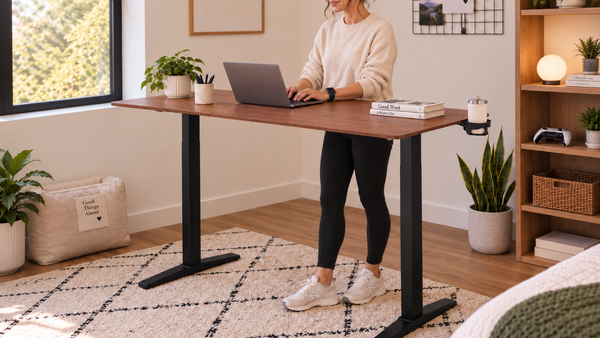
Modern success is often portrayed as a purely mental game—strategy, intelligence, discipline. Yet beneath every breakthrough idea and decisive action lies a biological foundation. How we position our bodies throughout the workday quietly shapes our energy levels, focus, and resilience. The rise of the ergonomic standing desk is not a productivity trend driven by aesthetics or novelty, but a response to a deeper understanding of how the human body and brain are designed to perform.
Summary of important information
-
Product Group: Ergonomic Office Desks (Standing Desk / Adjustable Desk)
-
Primary Purpose: Designed to adjust desk height to support both sitting and standing work positions, helping improve comfort, focus, and overall work performance.
-
Key Benefits: Supports healthy posture and spinal alignment. Enhances blood circulation and oxygen flow to the brain. Helps maintain energy levels and reduce fatigue during long work hours
-
Ergonomic Standard: Desk height should allow elbows to rest at approximately a 90-degree angle. Monitor should be positioned at or slightly below eye level. Alternating between sitting and standing is recommended; standing all day is not advised
-
Caution: Choose a desk with a strong, stable frame and a secure locking system to prevent wobbling or instability during use, especially when standing.
-
Essential Reading: Always review the manufacturer’s installation guide and user manual to ensure safe setup and proper usage.
The Sedentary Ceiling

For decades, the standard office setup has encouraged prolonged sitting. While it may appear comfortable, extended sitting places the body in a state of metabolic slowdown. Muscles become inactive, circulation decreases, and oxygen delivery to the brain is reduced. Over time, this leads to a familiar experience many professionals accept as inevitable: brain fog, sluggish thinking, and mental fatigue by mid-afternoon.
From a biological standpoint, the human body was never meant to remain static for hours at a time. When movement is restricted, enzymatic activity related to fat and glucose metabolism drops, and the nervous system shifts toward a lower-energy state. This is why long periods of sitting are often followed by dips in concentration and motivation.
An ergonomic standing desk acts as a biological catalyst. Allowing the body to remain upright and mobile helps optimize blood flow, oxygenation, and hormone regulation. The result is not just better posture, but a foundation for sustained cognitive performance throughout the day.
Defining the Success Blueprint
Success, especially in knowledge-based work, emerges from the interaction of three core elements: physiology, psychology, and productivity. Physical positioning directly influences all three. Standing changes how the body fuels the brain, how the mind perceives challenges, and how efficiently tasks are executed. Understanding this blueprint reframes the question from what a standing desk is to how it shapes human potential.
The Physiology of Peak Performance
Oxygenation and Brain Function
Standing naturally encourages deeper breathing. When upright, the diaphragm has more room to expand, allowing the lungs to take in greater volumes of air. This increased oxygen intake translates into improved circulation, delivering oxygen-rich blood to the brain more efficiently.
In contrast, a slumped seated posture compresses the chest cavity and restricts airflow. Over time, this subtle limitation contributes to decreased alertness and slower cognitive processing. Research consistently shows that posture affects neural activation, with upright positions associated with higher levels of attentiveness and readiness.
An ergonomic standing desk supports neutral alignment, keeping the spine tall and the chest open. This posture promotes a steady flow of oxygen and nutrients to the brain, helping maintain clarity during tasks that require sustained focus.
Blood Sugar Regulation and Mental Stamina
One of the most overlooked benefits of standing is its effect on blood sugar regulation. After meals, especially lunch, glucose levels tend to spike. When sitting for long periods, these spikes are followed by sharp drops, often experienced as the “afternoon crash.”
Standing engages large muscle groups in the legs and core, even with minimal movement. This muscle activation improves insulin sensitivity and helps the body process glucose more efficiently. As a result, blood sugar levels remain more stable, supporting consistent mental energy and decision-making capacity.
Over time, this stability translates into stronger mental stamina. Tasks that once felt draining become more manageable, not because of increased willpower, but because the body is better equipped to sustain effort.
The Psychology of a Powerful Workspace
Hormonal Balance: Cortisol and Endorphins
The body’s hormonal environment plays a critical role in how stress and motivation are experienced. Prolonged sitting has been linked to elevated cortisol levels, the hormone associated with stress. Elevated cortisol can impair memory, reduce creativity, and increase emotional reactivity.
Standing, particularly when paired with small movements, encourages the release of endorphins—neurotransmitters that elevate mood and reduce perceived stress. An ergonomic standing desk supports this balance by moving a natural part of the workday rather than a disruption.
This hormonal shift fosters a more resilient mindset. High-pressure projects and tight deadlines feel less overwhelming when the body is not locked into a stress-amplifying position.
The “Power Pose” Effect
Body language not only communicates messages to others; it also sends signals inward. Standing tall with an open posture influences self-perception, increasing feelings of confidence and control. This phenomenon, often referred to as the “power pose” effect, has tangible implications in professional settings.
When using a standing table desk, individuals often speak with greater clarity and authority during virtual meetings. Their vocal tone tends to be stronger, and their presence more assertive. These subtle psychological shifts can influence collaboration, leadership perception, and overall professional effectiveness.
Engineering the Perfect Setup for Success
Ergonomic Precision: The 90-Degree Standard
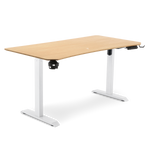
The effectiveness of an ergonomic standing desk depends heavily on proper setup. Precision matters. The ideal height positions the elbows at roughly a 90-degree angle when typing, allowing the shoulders to remain relaxed and neutral. This alignment minimizes tension in the upper body and reduces the risk of repetitive strain injuries.
Monitor placement is equally critical. Screens should be positioned at or slightly below eye level to prevent forward head posture. Poor monitor height is a common cause of neck strain and tension headaches, which silently erode productivity.
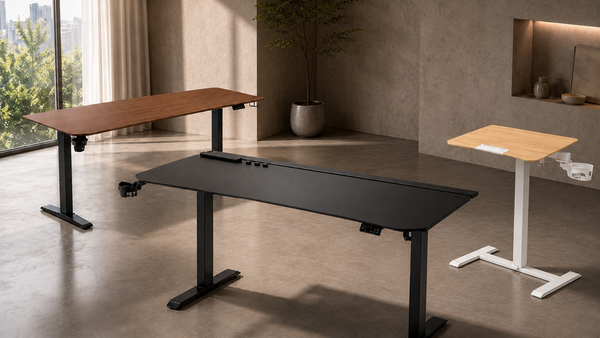
An adjustable standing desk makes these refinements possible. Unlike fixed-height office desks, adjustability allows the workspace to adapt to the individual, not the other way around.
The Dynamic Interval Strategy
Standing all day is not the goal. The key to long-term success is variation. A dynamic interval strategy—such as standing for 20 minutes of every hour—keeps the metabolism active while preventing leg fatigue.
Many electric standing desk models include memory presets, allowing users to switch between sitting and standing heights effortlessly. These automated transitions remove friction, making healthy movement an unconscious habit rather than a deliberate effort.
Workflow Integration and Habit Formation

Matching Tasks to Intensity
Different tasks demand different energy states. Strategic use of a standing desk allows work to align with natural cognitive rhythms.
Standing is particularly effective for high-energy activities such as brainstorming, creative problem-solving, presentations, and collaborative calls. The upright posture enhances alertness and ideation.
Lower desk heights or seated positions may be better suited for deep analytical work, detailed editing, or intensive data entry. By intentionally matching posture to task intensity, productivity becomes more sustainable and less draining.
Essential Success Accessories
The desk itself is only part of the equation. Anti-fatigue mats reduce pressure on the feet and legs, allowing for longer standing sessions without discomfort. Supportive, flexible footwear further enhances comfort and circulation.
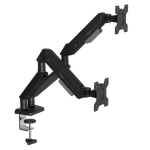
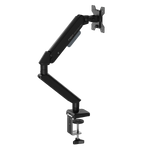
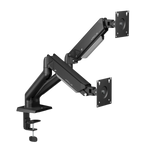
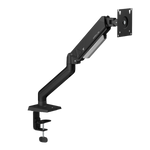
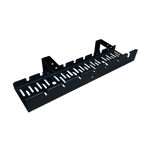
Monitor arms and thoughtful cable management contribute to what can be described as a “Clarity Zone”—a workspace free from visual and physical distractions. This environment supports elite-level focus by reducing micro-stressors that compete for attention.
Whether working from a home office or a corporate environment, these elements transform standard office desks into adaptive systems designed for human performance.
Conclusion: Elevating Your Professional Potential
Summary of the Scientific Edge
An ergonomic standing desk is not merely a piece of furniture. It is a tool that aligns modern work demands with human biology. By improving oxygenation, stabilizing blood sugar, balancing hormones, and reinforcing confident posture, it converts physical health into cognitive advantage.
The benefits compound over time. Improved focus leads to better decisions, which drive stronger outcomes and sustainable success.
The future of work is dynamic, not static. As professionals reassess how their environments shape performance, the traditional desk no longer represents the gold standard. Exploring solutions like an adjustable or electric standing desk opens the door to a more responsive, human-centered workspace.
For those ready to move beyond outdated setups and rethink how their office supports long-term success, learning more about a modern Standing Desk can be a meaningful first step toward a healthier, more energized way of working.
Contact us for more details or to view various models on our website: https://TTRacing.co.th/ or chat with us via Line @TTRacing or Facebook: TTRacing Thailand. We are happy to provide consultation and service to you.
Follow news and great promotions from TTRacing Thailand at
Facebook: TTRacing Thailand
TikTok: TTRacing_Thailand (Live channel)
Instagram TTRacing_th
X: TTRacing
YouTube: TTRacing
Frequently Asked Questions (FAQs)
Q : What is an ergonomic standing desk?
A : A height-adjustable desk designed to support both sitting and standing work positions for better comfort and productivity.
Q : Does a standing desk improve focus?
A : Yes. Standing helps increase blood flow and oxygen delivery to the brain, supporting alertness and concentration.
Q : Is it better to stand all day?
A : No. The recommended approach is to alternate between sitting and standing throughout the day.
Q : How often should I switch between sitting and standing?
A : About every 30–60 minutes, depending on comfort and task type.
Q : What is the ideal desk height when standing?
A : The desk should allow your elbows to bend at approximately a 90-degree angle.
Q : Are electric standing desks better than manual ones?
A : Electric desks offer easier and more precise height adjustment, while manual desks are more budget-friendly.
Q : Do standing desks wobble?
A : High-quality desks with strong frames and secure locking systems remain stable during use.
Q : Do I need extra accessories?
A : Optional accessories like anti-fatigue mats and monitor arms can improve comfort and ergonomics.