 Thailand
 Malaysia
 Singapore
 Indonesia
 Philippines
 Australia
 United
States
United
States United Kingdom
 India
India
































































 Thailand
 Singapore
 Indonesia
 Australia
 United States
 United Kingdom
Posture woes: How bad posture can be a nightmare and ways to fix it

As a child, you’ve probably gotten annoyed from hearing your mother’s or your teacher’s constant nagging to sit up straight. The thing is, their nagging isn't entirely unwarranted, as sitting in an awkward posture can cause severe health issues that can affect your performance.
With adults spending more time on their chairs, recognising the effects of poor posture is crucial to avoid needless strain and stay one step ahead of the competition.
Symptoms of poor posture

Whether you are a pro gamer or an office worker, you’ve likely experienced pain after one or two hours of sitting. This is likely caused by poor sitting posture. Some of the most common signs of poor posture include:
- Rounded shoulders
- Bent knees
- Head leaning forwards or backwards
- Muscle fatigue
- Experiencing frequent headaches
Bad to the bone (literally)

Sitting in an awkward posture throughout a long work or gaming session is both unattractive and unhealthy for you. If you’re constantly slouching to get a clearer look at the screen, you might’ve experienced one or more of the following issues:
- Back, neck, and shoulder pain: Poor posture can cause the spine to be misaligned, which forces the surrounding muscles, ligaments, and joints to compensate. This, in turn, strains the cervical and lumbar spine.
- Short of breath: Slouching squeezes the rib cage and diaphragm so your lungs won’t be able to take in enough oxygen. As a result, you will have difficulty breathing properly.
- Headaches: Working with your head tilted forward forces your neck and upper back muscles to work harder to support you. The longer you maintain this posture, the more you irritate the nerves, which is a common trigger for headaches.
- Fatigue: Ever wonder why you feel tired after a long day of computer work? It’s because your muscles have to work harder to support your poor posture.
- Digestive problems: Slouching doesn’t just hurt you physically. It also affects your body’s ability to take in food. As a result, you risk suffering from bloating, reflux, or indigestion.
If these conditions describe you, don’t lose hope. There are ways to counteract this problem so you can keep doing what you do best.
Let’s get physical

The best way to improve your posture is by doing some exercises. Below are some moves you can pull off to correct your body alignment.
- Back to the wall: Lean fully against the wall with the back of your head, shoulder blades, hips, and ankles touching said wall. This simple exercise may feel uncomfortable initially, but the more you practise, the better you’ll get at it.
- Wall angels: Assume the same position as the back-to-the-wall exercise and then lift your arms until they are above your head. Hold the position for a few seconds before bringing them back down. The back of your hands must always be in contact with the wall while doing this exercise.
- Doorway lunge: In an open doorway, bend your arms upward at a 90° angle and place both palms on either side of the door frame. With your right leg, take one big step back until you feel a stretch in your upper chest and the lower part of your leg. Hold the position for a few seconds and then repeat with your left leg.
- Pelvic tilt: This exercise is good for reducing lumbar strain. Lie on the floor with your feet on the ground. Once there, do your best to get your lower back on the ground by moving your waist backwards. Hold the position for a few seconds and relax your lower back.
- Standing row: For this exercise, you will need to use a resistance band, but if you don’t have one, just imagine yourself pulling an invisible rubber band. Hang the resistance band on a doorknob and hold one end of it with both hands. Then, pull the band until your elbows reach your sides.
- Seated neck stretch: This exercise is an effective counter for slouching, and it can be done without having to leave your chair. Start by holding the bottom of your chair with your right hand. Then, lower your left ear towards your shoulder until you feel a stretch. Hold for several seconds and repeat with alternative sides (left hand holding chair and right ear lowered).
Other ways to improve posture

Besides doing exercises, there are other ways you can correct your posture, including:
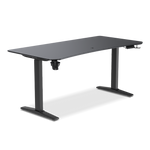
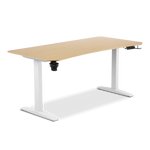
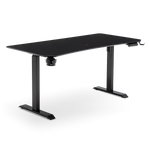
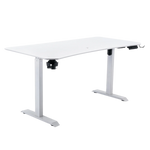
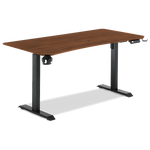
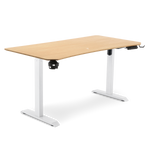
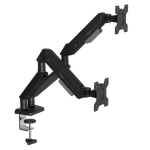
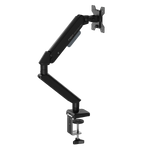
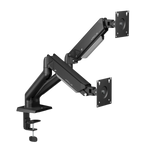
- Checking your setup: As a rule of thumb, your monitor must always be at eye level so you won’t have to tilt your head forward to read. Having a standing desk is an added bonus for preventing muscle stiffness. However, take care to avoid extending your buttocks backward or leaning too far forward.
- Take moving breaks: Moving around once every hour can help to fight off muscle strain from creeping into your body. If you’re working on a standing desk, sway your body a bit or step forwards and backwards every once and a while.
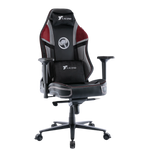
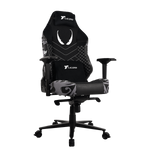
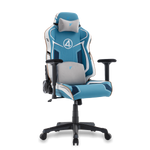
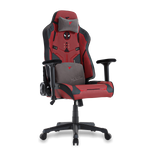
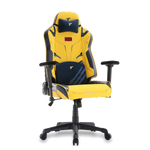
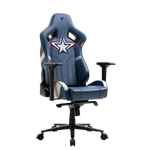
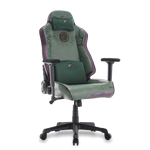
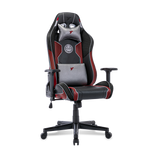
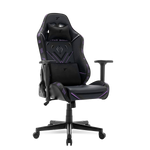
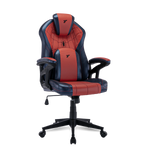
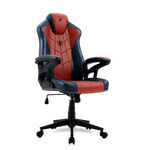
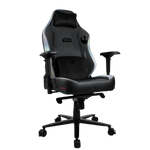
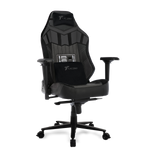
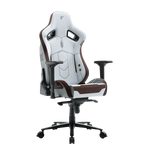
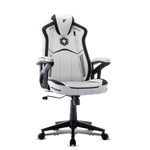
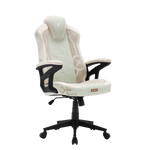
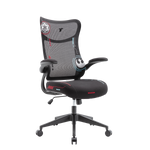
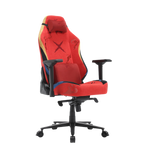
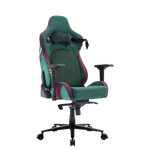
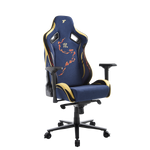
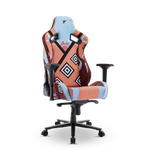
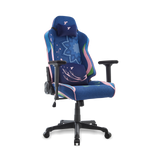
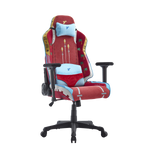
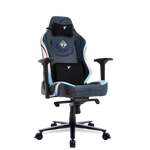
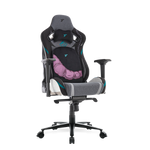
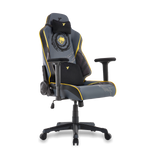
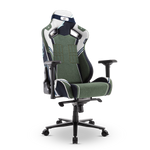
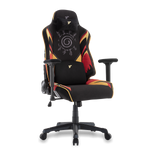
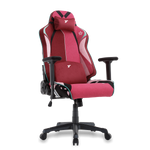
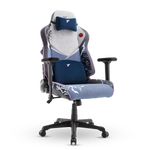
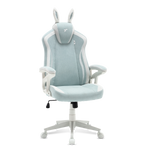
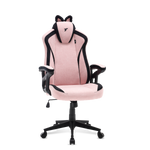
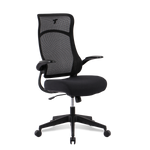
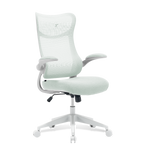
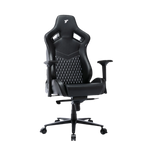
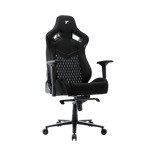
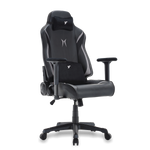
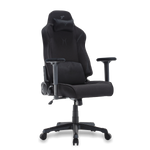
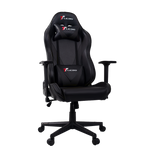
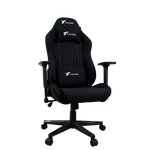
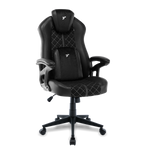
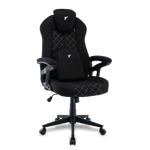
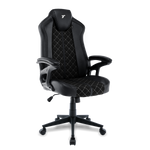
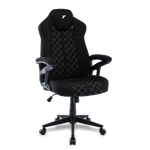
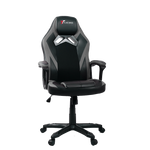
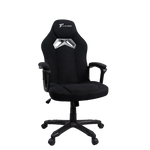
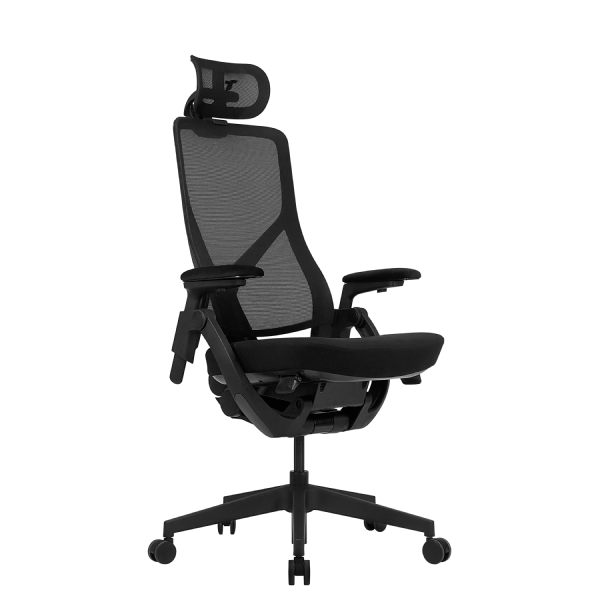
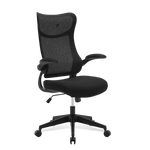
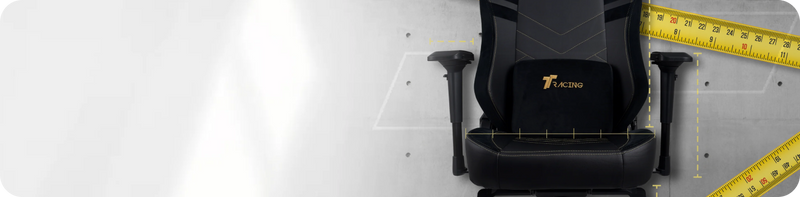
- Use ergonomic chairs: Unlike normal office chairs, ergonomic chairs are equipped with features that are designed to support the user. These range from curved backrests that support the spine’s natural shape to armrests that can be adjusted on the fly depending on your activity.
Final thoughts
A correct sitting posture can help stay focused, as your mind won’t be constantly fighting the gnawing pain from your back. By following these tips, you’ll be on the road to success, whether it is in the boardroom or the virtual battlefield.
If you’re ready to fix your sitting posture, start with TTRacing’s ergonomic chairs and standing desks. Equipped with next-level ergonomic features, our chairs and desks can support your body so you have more energy to spare for the task at hand. Visit our store page and browse through our wide selection of chairs and desks.