 Thailand
 Malaysia
 Singapore
 Indonesia
 Philippines
 Australia
 United
States
United
States United Kingdom
 India
India
































































 Thailand
 Singapore
 Indonesia
 Australia
 United States
 United Kingdom
10 Signs Your Office Chair Is Secretly Harming Your Back

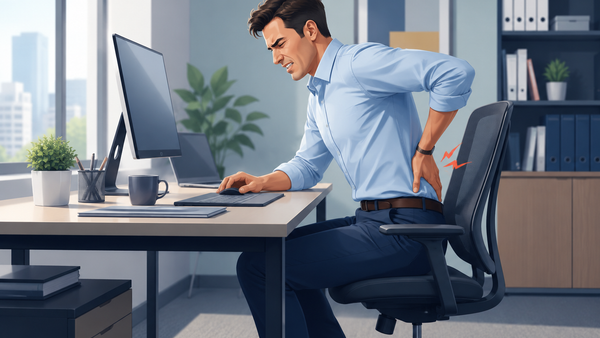
Many people think that back pain, neck pain, or shoulder stiffness are normal for those who work in front of a computer. However, the truth is that your "office chair" might be the main culprit slowly damaging your back without you realizing it. A chair that doesn't support your body can force you into unnatural postures for extended periods, causing your muscles to overwork, leading to accumulated pain and, in the long term, potentially affecting your intervertebral discs or nervous system.
This article will help you check yourself precisely through 10 warning signs that indicate your old chair might no longer be suitable for you. It will also explain how each sign affects your body and where you should start taking care of yourself. If you are someone who sits and works for many hours a day, this article might help you understand your body better and make your sitting experience more comfortable and safer than before.
Key Information Summary
-
Back pain in office workers often starts with chairs that do not support the body's natural posture.
-
Warning signs include lower back pain, neck pain, tense shoulders, and numb legs.
-
Main causes are backrests, seats, armrests, and height not correlating with body type.
-
Solution is to choose an ergonomic office chair that is adjustable and provides proper back support.
-
TTRacing designs chairs with ergonomics and long-term practical use in mind.
Why is your "chair" an unconscious cause of back pain?

An office chair is the equipment your body interacts with continuously for longer than anything else during your workday. If the chair doesn't properly support your body, your body will try to "compensate" by tensing muscles, arching your back, shrugging your shoulders, or unknowingly shifting into unnatural sitting positions every minute. These actions may not cause immediate pain, but they accumulate into chronic fatigue.
A good office chair should help maintain the natural curve of your spine (S-Curve) and reduce pressure on your lower back, hips, and thighs. However, many common chairs focus only on softness or design, neglecting actual support, leading users to sit in incorrect postures for extended periods.
When you sit incorrectly, your body starts sending warning signs like stiffness, a stiff neck, or easily getting tired, which many people tend to ignore. If not addressed early, these symptoms can develop into long-term health problems.
Check Before Reading On
How many hours do you sit per day?
Honestly ask yourself how many hours a day you spend in a chair, not just for work, but also for meetings, using your computer, phone, or watching series after work. Most office workers sit for more than 6-10 hours a day without realizing it.
The longer you sit, the more important the quality of your chair becomes. An unsuitable chair might not show its effects initially, but over time, muscles will fatigue, blood circulation will worsen, and accumulated pain will develop. If you are someone who rarely changes positions, investing in a good chair is truly an investment in your long-term health.
Where do you feel the most pain right now (neck/shoulders/upper back/lower back/hips)?
The location of the pain is a "problem indicator" that tells you a lot about what's wrong with your chair. Neck or shoulder pain often results from the backrest and armrests not aligning with the desk height. Upper back pain means the backrest doesn't support the mid-back, while lower back or hip pain often comes from a sagging seat or a backrest that doesn't support the lumbar region.
Many people try to solve this with massages or pain relief creams but never look back at the "root cause." If you start feeling recurring pain in the same spot every day, that's a clear sign that your old chair might no longer be suitable for your body.
10 Signs Your Office Chair is Hurting Your Back
Sign 1 — Your lower back floats, requiring you to arch/flex yourself.
If you sit and feel that your lower back isn't supported, requiring you to arch your back or use a cushion, it means the backrest doesn't properly support the lumbar curve. When your lower back floats, your muscles have to work instead of the structure, leading to easy soreness and chronic fatigue in the long run.
Sign 2 — Neck/shoulder pain even without heavy work.
Neck and shoulder pain throughout the day, even without much physical exertion, often stems from a sitting posture that causes shrugging shoulders or a forward head. A good chair should help keep your head, neck, and shoulders aligned, without forcing your body to tense unknowingly.
Sign 3 — Shoulders are constantly raised because armrests are too high/low.
Non-adjustable armrests force you to raise your shoulders or let your arms hang, leading to overworked shoulder and neck muscles, resulting in accumulated tension and pain, especially for those who use a mouse and keyboard all day.
Sign 4 — Hips sink when sitting, soft seat causes your back to curve into a C-shape.
An overly soft seat might feel comfortable at first, but it will cause your hips to sink, your back to round, and your spine to lose its alignment, forming a C-shape, which is a major cause of lower and upper back pain.
Sign 5 — Buttock pain/thigh numbness because the seat edge presses on blood vessels.
If the seat edge is too hard or too long, it will press on blood vessels in the thigh area, causing poor blood circulation, leading to numbness, buttock pain, or easily tired legs, especially when sitting for a long time.
Sign 6 — Knees are bent too high or feet are dangling because chair height doesn't match the desk.
An unsuitable chair height causes knees to be bent too high or feet to dangle, affecting pressure on the lower back and hips. An ergonomic chair should be adjustable so that feet are flat on the floor and knees are at approximately a 90-degree angle.
Sign 7 — You can't sit for more than 30-60 minutes without shifting due to discomfort.
If you constantly have to shift your body due to discomfort, it indicates that the chair isn't helping to distribute weight and absorb pressure properly. Your body then tries to change positions to reduce fatigue.
Sign 8 — The backrest doesn't support the mid-back, causing upper back fatigue.
The mid-back is an area many chairs neglect. If the backrest only supports the lower or upper back, the mid-back will quickly fatigue, leading to accumulated tension without you realizing it.
Sign 9 — When reclining, it "doesn't lock/springs back," causing unconscious tension.
An unstable reclining mechanism forces your body to tense constantly to maintain balance. Even if you don't feel it, your muscles will fatigue faster than usual.
Sign 10 — Back pain worsens after work but improves on weekends.
This is the clearest sign that "the cause is sitting." If the pain disappears when you're not in the same chair, it means the chair is indeed harming your body.
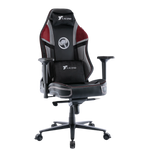
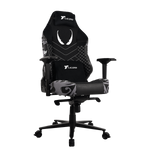
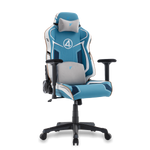
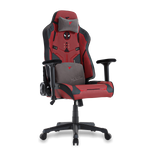
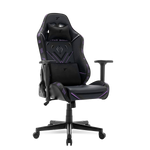
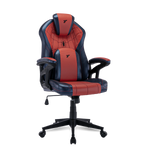
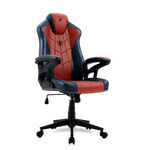
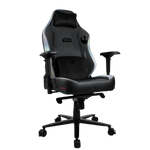
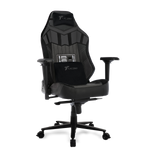
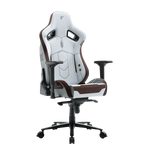
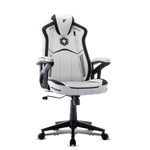
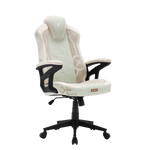
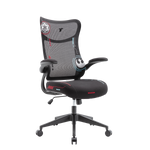
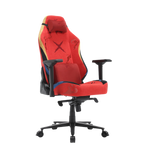
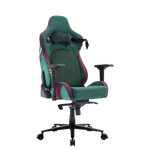
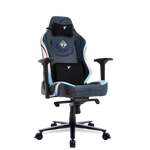
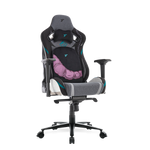
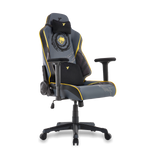
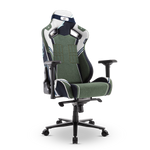
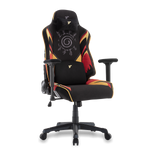
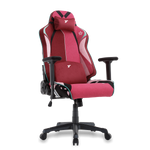
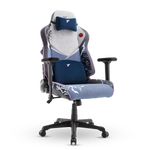
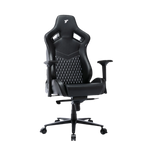
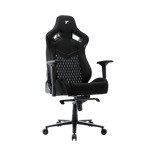
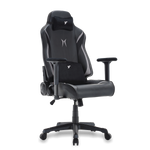
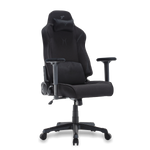
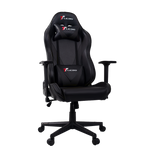
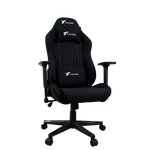
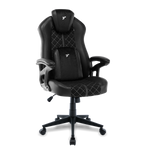
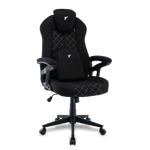
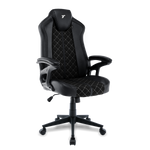
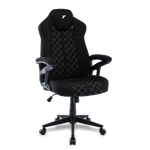
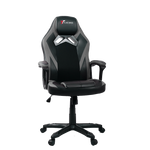
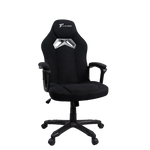
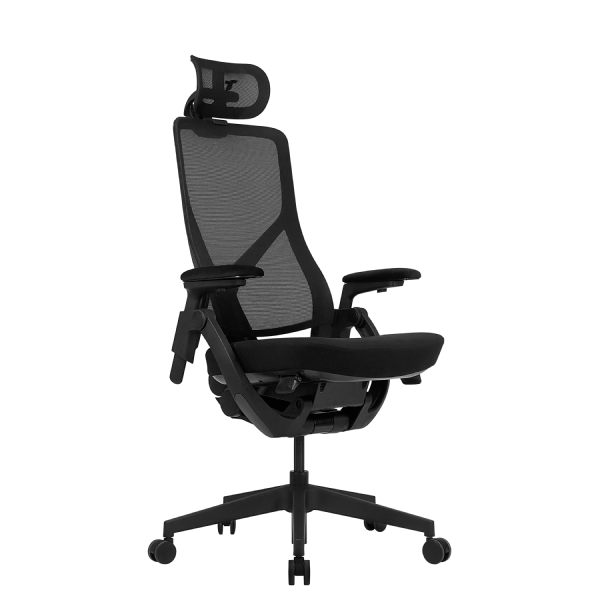
If you want to sit more comfortably, choose an ergonomic office chair from TTRacing.

TTRacing designs chairs based on true ergonomic principles, not just aesthetics or softness. We consider supporting every part of the back, weight distribution, and adjusting to individual body types, whether you're working, gaming, or using it continuously for many hours.
Key features include backrests that support the lower and mid-back, seats that don't sag out of shape, a stable recline system, and various adjustment options. This helps reduce accumulated pain and makes sitting for work more comfortable in the long run.
Back pain is not a minor issue and should not be considered normal for workers. If you start seeing these signs, don't wait for your body to send stronger signals. Changing to a suitable chair might be the beginning of better back health for every workday.
For anyone looking for a high-quality ergonomic chair that helps support your body and reduce fatigue from prolonged sitting, ergonomic chairs from TTRacing are one of the best options today. You can visit our office chairs on the website TTRacing.co.th or inquire via Line @TTRacing and Facebook TTRacing Thailand. Our team is ready to recommend the model that suits your body type, so you get the most valuable and long-lasting ergonomic chair.
Special! Order an ergonomic chair now and receive a special discount or free gift! Click to order now!
Follow news and great promotions from TTRacing Thailand at
Facebook: TTRacing Thailand
TikTok: TTRacing_Thailand (Live channel)
Instagram TTRacing_th
X: TTRacing
YouTube: TTRacing