 Thailand
 Malaysia
 Singapore
 Indonesia
 Philippines
 Australia
 United
States
United
States United Kingdom
 India
India




























































 Thailand
 Singapore
 Indonesia
 Australia
 United States
 United Kingdom
Prolonged sitting = The silent enemy of office workers

Many people think that working in an office is "light work and not a health risk," but in reality, prolonged sitting without moving is a silent enemy that slowly harms the body without us realizing it. This can lead to neck, shoulder, and back pain, numbness in the limbs, as well as metabolism problems, easy weight gain, and an increased risk of chronic diseases in the long term.
These behaviors are not caused by hard work, but by "repetitive postures" and "not moving" for many hours a day. Especially in an era where most work is done in front of a screen, with long online meetings, or working on a computer all day, the body is increasingly affected cumulatively.
This article will take you through the negative effects of prolonged sitting, warning signs that should not be overlooked, practical solutions during work hours, and how to set up a healthy workspace with adjustable desks and ergonomic chairs from TTRacing Thailand, so that working doesn't come at the expense of your long-term health.
Key Information Summary
-
Sitting for more than 6–8 hours/day increases the risk of muscle pain and chronic diseases.
-
Lack of continuous movement reduces blood circulation and metabolism.
-
Micro-breaks every 30–60 minutes help reduce aches and improve concentration.
-
Adjustable desks + ergonomic chairs help reduce pressure and repetitive incorrect postures.
How is the habit of prolonged sitting a “silent enemy” for office workers?

Prolonged sitting is not a problem because of "sitting," but because of sitting still for too long without changing position. When the body is in the same position, some muscles, such as the neck, shoulders, and lower back, have to work continuously, while other muscles, like those in the buttocks and hips, are barely used.
The result is that the body begins to lose balance. Some muscles become tight, others weaken. The spine repeatedly bears pressure at the same points without rest. If you sit hunched over, with rounded shoulders, or if the screen is not at eye level, the problems will accumulate even faster. The danger is that these symptoms often appear silently, starting with minor aches and gradually turning into chronic pain, numbness, or inflammation, which many people think will "just go away." Ultimately, this affects both work efficiency and quality of life in the long run.
Common negative effects of prolonged sitting for screen workers
Sitting in front of a screen for many hours a day doesn't just affect one part of the body, but gradually accumulates from the neck, shoulders, and back to the hips and arms. Symptoms often start small before becoming chronic. Check if you have ever experienced or are currently experiencing any of the following symptoms:
Neck, shoulder, and upper back pain from slouching and rounded shoulders
Neck, shoulder, and upper back pain is a top problem for office workers. The main causes are looking down at the screen, rounded shoulders, or unconsciously craning the neck forward. When these postures are maintained repeatedly, the muscles in this area become tense and easily inflamed.
Many people try to solve this with massages or heat patches, which only provide temporary relief. However, if you continue to sit in the same posture and don't move, the problem will recur. The root cause solution is to adjust the screen level to eye level, use a chair that provides good back and neck support, and regularly stretch your neck, shoulders, and upper back.
Lower back pain and repetitive stress on the spine
Prolonged sitting causes the lower back to bear continuous body weight. If the chair does not support the body's natural curves or if we slouch, pressure will repeatedly be placed on the intervertebral discs, leading to chronic lower back pain.
This symptom often starts with slight stiffness and gradually becomes more frequent, especially in the evening or after work. Having a backrest that supports the lower back, adjusting the chair height so your feet are flat on the floor, and alternating between sitting and standing positions will significantly reduce pressure.
Tight hips, weak gluteal muscles, stiffness/pain when standing up
Prolonged sitting means the hip and gluteal muscles are barely used, leading to muscle weakness and tightness. This results in stiffness or pain when standing or walking, especially for those who feel their "back is stiff" when they stand up.
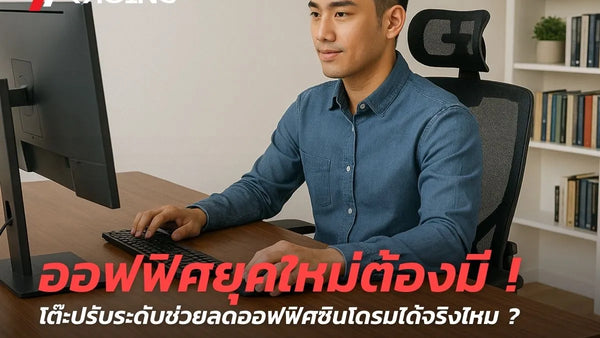
Getting up and walking, stretching the hips, and using an adjustable desk to alternate between sitting and standing work will help stimulate these muscles to work again, reducing tightness and pain in the long term.
Arm and hand numbness, wrist inflammation from repetitive use and improper posture
Repetitive use of a mouse and keyboard in positions where the wrist is bent or the arm is not in a natural alignment can lead to numbness, arm stiffness, or wrist inflammation, especially for those who work long hours in front of a computer.
Adjusting the desk to a comfortable height, allowing the arms to rest without tension, and taking regular breaks for the hands can significantly reduce pressure and inflammation.
Long-term effects on metabolism and overall health
The effects of prolonged sitting are not limited to aches and pains but gradually alter the body's internal functions without us realizing it, from metabolism to long-term health risks. Let's see what effects reduced movement has on our body.
Reduced metabolism, easy weight gain, even with the same diet
When the body moves less, energy metabolism significantly decreases. Many people wonder why they gain weight even when eating the same amount. One reason is that prolonged sitting prevents muscles from working, and the body expends less energy than thought.
Worsening blood sugar and fat levels with less movement
Sitting still for long periods affects blood sugar and fat control. Several studies have found that short bursts of movement throughout the day help the body manage sugar better, reducing the risk of diabetes and high blood fat.
Increased risk of chronic diseases associated with prolonged sitting
Prolonged sitting is linked to an increased risk of heart disease, diabetes, and chronic office syndrome. Even if you exercise after work, sitting still for long periods during the day still poses a risk.
Warning signs that you are "sitting for too long"
-
Aches and pains almost every day even without strenuous work. If you frequently feel aches and pains, even though your work isn't physically demanding, this is a sign that your body is starting to suffer from prolonged sitting.
-
Drowsiness, brain fog, and loss of focus in the afternoon. Sitting still slows down blood circulation, leading to brain fatigue and drowsiness, especially in the afternoon. Short walks can wake up your brain better than coffee.
-
Tight hips, pain when stretching, pain radiating down the leg. Tight hips or pain radiating down the leg can be a sign that muscles and nerves are being compressed from sitting in the same position for too long.
Practical ways to reduce the dangers of prolonged sitting during work hours
-
The “Stand-Move” rule that can be followed without disrupting work. Aim to stand up and move every 30–60 minutes. You don't need to go far; simply standing up and changing posture helps a lot.
-
What can you do during a 1–3 minute micro-break? Stretch your neck, shoulders, upper back, rotate your shoulders, walk to refill your water, or stand and stretch your legs. It doesn't take long but helps relieve accumulated tension effectively.
-
Subtle ways to move in the office. Walk to talk instead of chatting, stand up to answer phone calls, or use an adjustable desk to alternate between sitting and standing work. These are ways to move without interrupting your work.
Upgrade your workspace to be "easy to stand up from and comfortable to sit in" with an adjustable desk + ergonomic chair from TTRacing.

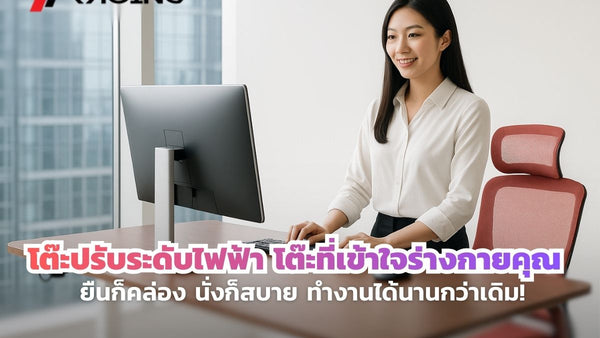
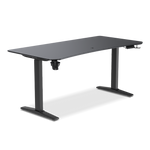
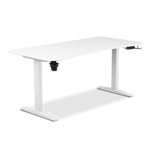
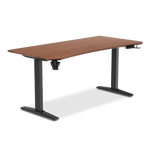
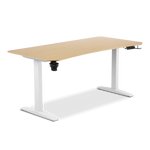
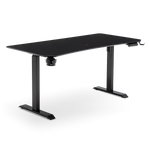
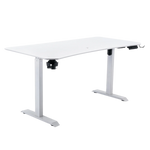
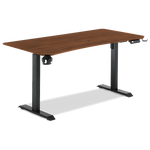
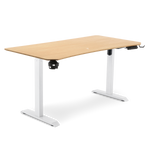
Taking care of your health while working becomes immediately easier when your workspace is designed to support movement. Adjustable desks from TTRacing allow you to seamlessly switch between sitting and standing, reducing prolonged stillness without interrupting work or concentration.
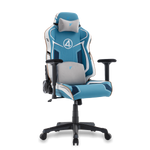
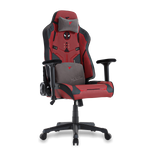
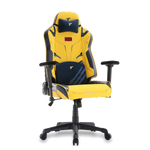
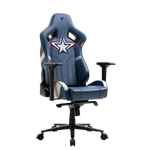
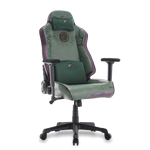
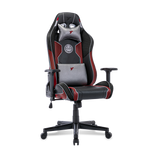
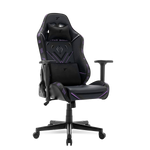
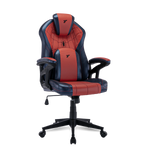
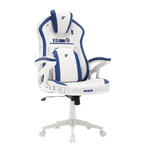
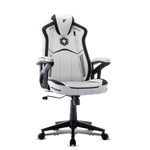
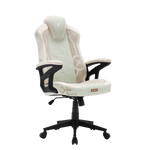
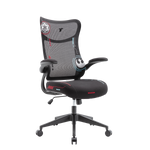
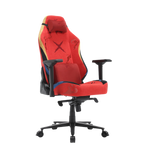
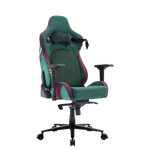
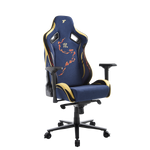
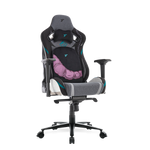
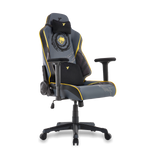
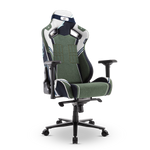
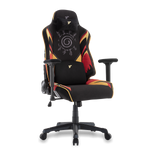
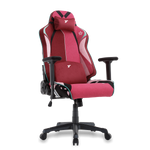
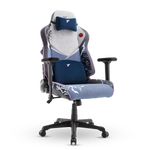
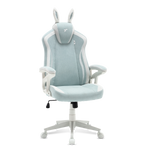
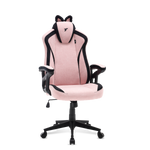
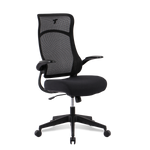
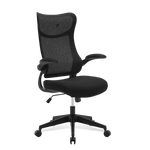
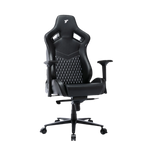
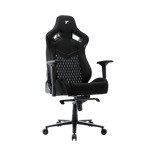
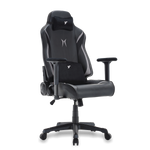
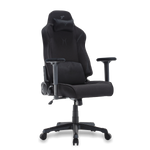
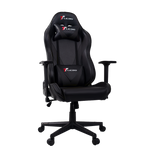
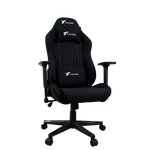
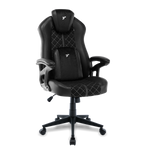
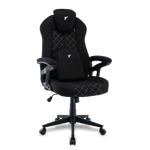
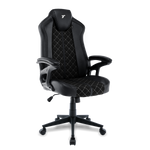
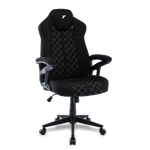
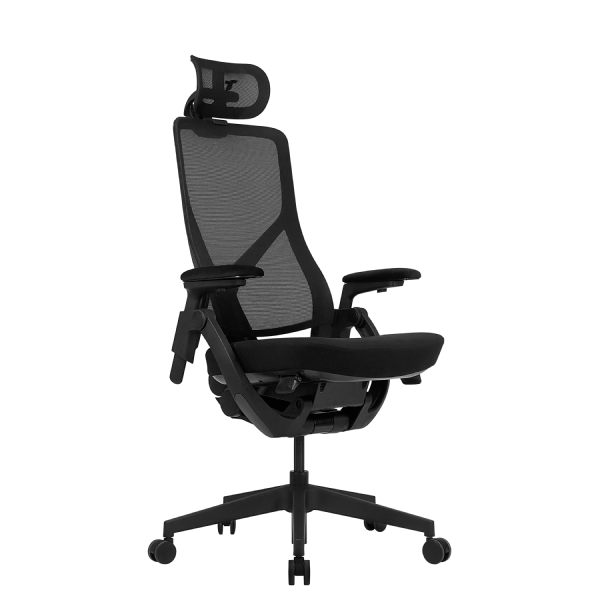
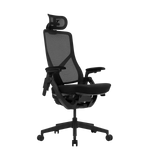
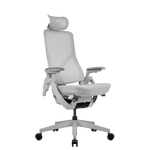
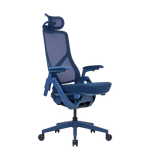
And when you switch back to sitting, an ergonomic chair from TTRacing supports your body to sit correctly, supporting your spine, neck, shoulders, and hips, reducing accumulated pressure that causes aches and pains from prolonged sitting.
When both standing to work and sitting to rest are designed to be "comfortable," your body will automatically move more. You won't have to force yourself or constantly remind yourself. Your health will improve along with better work efficiency. If you need to upgrade your workspace, an adjustable desk paired with an ergonomic chair from TTRacing is an investment that yields daily results from the first day of use. Interested in purchasing an adjustable desk and ergonomic chair? Contact us for more details or to view different models on our website: https://TTRacing.co.th/ or chat with us via Line @TTRacing or Facebook: TTRacing Thailand. We are happy to provide consultation and service.
Follow TTRacing Thailand for news and promotions:
Facebook: TTRacing Thailand
TikTok: TTRacing_Thailand (Live streaming channel)
Instagram TTRacing_th
X: TTRacing
YouTube: TTRacing
Frequently Asked Questions about Prolonged Sitting
Q: How often should I get up?
A: Every 30–60 minutes is ideal. Even a 1–3 minute break is better than sitting for long periods.
Q: Is standing to work better than sitting?
A: Yes, but you shouldn't stand for too long. You should alternate between sitting and standing so that your body doesn't bear repetitive pressure at the same points.
Q: Where should I start to fix back pain from prolonged sitting?
A: Start by adjusting your sitting posture, equipment, and increasing movement. If it doesn't improve, consult a specialist.
Q: I'm too busy at work and don't have time to get up. What should I do?
A: Use short micro-breaks and adjust your workspace to make it easier to get up. This will help without affecting your work.