 Thailand
 Malaysia
 Singapore
 Indonesia
 Philippines
 Australia
 United
States
United
States United Kingdom
 India
India

















































































 Thailand
 Singapore
 Indonesia
 Australia
 United States
 United Kingdom
Maximize Your Daily Workflow: 7 Benefits of Switching to an Ergonomic Desk

The way we work has evolved rapidly over the past decade, but many workspaces have not kept up. Laptops are more powerful, workflows are more digital, and expectations around speed and output continue to rise. Yet, countless professionals still spend eight or more hours a day anchored to furniture designed for a very different era. This disconnect between modern work demands and outdated office setups quietly undermines productivity, health, and long-term performance.
Summary of Key Information
-
Ergonomic Desk: A desk designed to adjust to your body and support sitting–standing transitions.
-
Key Benefits: Reduces discomfort, improves focus, and boosts daily energy.
-
How Does It Improve Productivity? Less pain leads to better concentration and longer focus periods.
-
Do You Need to Stand All Day? No. Alternating between sitting and standing works best.
-
Who Is It For? Office workers, remote workers, and anyone who sits for long hours.
-
How to Use It Effectively: Set the desk height so your elbows are at a 90-degree angle and the screen is at eye level.
-
Is It Worth the Investment? Yes. It supports long-term health and sustainable work performance.
The Modern Office Bottleneck

In many offices and home workspaces, static desks and poorly designed office desks act as invisible constraints. They lock the body into prolonged sitting, encourage slouching, and force the neck and shoulders into awkward positions. Over time, these small physical stressors compound. Discomfort becomes normal, fatigue sets in earlier, and concentration suffers.
This bottleneck rarely shows up in performance reviews, but it reveals itself in slower thinking, frequent breaks to relieve pain, and that familiar mental fog that creeps in mid-afternoon. An ergonomic desk addresses this problem at its source. It is not just a furniture upgrade; it is a strategic tool designed to optimize human performance, protect energy levels, and support how the body is meant to work.
Defining the Workflow Revolution
Switching to a dynamic desk setup changes the rhythm of a workday. Instead of being locked into a single posture, the user can shift between sitting and standing, adjust heights for different tasks, and respond to physical cues before discomfort becomes a distraction. This flexibility reshapes how work flows, turning the desk into an active participant in productivity rather than a passive surface.
Physical Health as a Catalyst for Focus
1. Elimination of Chronic Discomfort
One of the most immediate benefits of an ergonomic desk is the reduction of chronic pain. Adjustable height features allow users to align their desk precisely with their body, keeping elbows at a comfortable angle and screens at eye level. This alignment helps prevent common issues like “tech neck,” shoulder tension, and lower back strain.
When the body is properly supported, it stops competing for attention. Pain is a powerful distractor, even when it operates in the background. By removing these physical irritants, an ergonomic desk clears the path for deeper focus and more frequent “flow” states, where work feels smoother and more immersive.
2. Improved Blood Circulation and Energy
Prolonged sitting slows blood circulation, particularly in the lower body. Over time, this can contribute to fatigue and reduced cognitive sharpness. Alternating between sitting and standing counteracts this effect by encouraging regular movement and muscle engagement.
The science behind standing is straightforward: improved circulation means more oxygen and nutrients reach the brain. This steady flow helps reduce the notorious afternoon slump and supports consistent mental clarity from morning through late afternoon. Whether someone uses an adjustable standing desk or a standing table desk, the result is the same—a workday powered by sustained energy rather than caffeine spikes.
Psychological and Cognitive Advantages
3. Enhanced Mood and Reduced Stress
Physical movement has a direct relationship with emotional well-being. Standing, shifting posture, and making small adjustments throughout the day stimulate the release of endorphins while helping regulate cortisol levels. This biochemical response plays a role in mood stability and stress reduction.
An ergonomic standing desk subtly encourages these movements without disrupting work. Over time, this leads to a calmer, more positive mindset, especially during demanding tasks. Reduced stress also lowers the risk of burnout, making it easier to maintain motivation in high-pressure environments.
4. Increased Alertness and Engagement
Standing increases heart rate by roughly 10 beats per minute compared to sitting. While that change may sound minor, it has meaningful effects on alertness. The body enters a slightly more active state, increasing metabolic demand and stimulating the nervous system.
This heightened engagement translates into quicker reactions, sharper decision-making, and improved responsiveness during meetings or collaborative sessions. Many professionals notice that standing naturally keeps them more present, especially during tasks that require creativity or strategic thinking.
Workflow Efficiency and Organization
5. Task-Position Pairing
One of the less obvious advantages of an ergonomic desk is how it supports cognitive conditioning. By pairing certain desk heights with specific tasks, users can create powerful behavioral triggers. For example, standing might be reserved for brainstorming, presentations, or meetings, while sitting is used for deep analysis or writing.
Over time, the brain begins to associate each posture with a particular type of work. These cues reduce the mental friction of switching tasks and help the mind transition into the appropriate mode more quickly. This approach turns posture into a productivity signal rather than a static habit.
6. Optimized Desk Real Estate
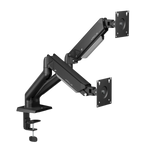
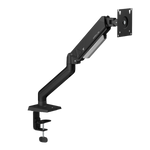
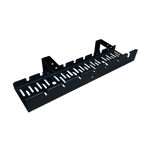
Modern ergonomic desks are often designed with organization in mind. Features like built-in cable management, compatibility with monitor arms, and streamlined surfaces help reduce clutter. A cleaner workspace is more than an aesthetic choice; it has measurable cognitive benefits.
Visual clutter competes for attention, increasing mental load even when ignored. By minimizing distractions, an ergonomic desk creates a calmer visual field that supports sustained concentration. This is especially valuable in compact home offices where space efficiency matters.
7. Long-Term Career Longevity
Repetitive strain injuries, poor posture habits, and chronic back pain can quietly shorten careers or force frequent downtime. An ergonomic desk protects the body from these risks by encouraging healthier movement patterns and reducing strain on joints and muscles.
This long-term perspective is often overlooked. High performance is not just about output today but about maintaining that output over the years. Investing in an ergonomic standing desk supports consistency, resilience, and the ability to meet professional demands without sacrificing physical well-being.
Implementing the Change (Setup Tips)

Finding Your Perfect Height
Proper setup is essential to realizing the full benefits of an ergonomic desk. A good starting point is to adjust the desk so that your elbows rest at approximately a 90-degree angle when typing. This position reduces shoulder tension and wrist strain.
Monitor placement matters just as much. The top of the screen should be at or slightly below eye level, allowing the neck to remain in a neutral position. This alignment helps prevent slouching and forward head posture, two common issues in traditional desk setups.
The Transition Phase
Switching to a standing desk should be gradual. Standing for too long, too soon, can lead to leg fatigue and discomfort. Many experts recommend starting with short standing intervals—15 to 30 minutes—and increasing over time as the body adapts.
Supportive tools make a significant difference during this transition. Anti-fatigue mats reduce pressure on the feet, while comfortable footwear provides additional support. These small adjustments ensure that standing remains sustainable rather than exhausting.
For those exploring options like electric standing desk models or adjustable standing desk solutions, accessibility and ease of adjustment play a key role in maintaining these healthy habits.
The Competitive Edge of Comfort
Summary of the 7 Workflow Benefits
An ergonomic desk reshapes the work experience from the ground up. By eliminating chronic discomfort, improving circulation, enhancing mood, increasing alertness, supporting task-based workflows, optimizing organization, and protecting long-term health, it creates an environment where productivity can thrive naturally.
These benefits do not operate in isolation. Together, they form a system where physical comfort supports mental clarity, and thoughtful design reinforces efficient habits. Whether in a corporate office or a home workspace, the impact compounds over time.
Viewing an ergonomic desk as a core part of professional well-being rather than a luxury changes how we approach work. It becomes an investment in focus, resilience, and sustainable performance. For those curious about what a standing desk is and how modern solutions are evolving, exploring options like a well-designed Standing Desk can be a meaningful first step toward a healthier, more effective workflow.
In a world where competitive advantage often comes from small, consistent improvements, comfort may be one of the most underestimated tools available.
Contact us for more details or to view various models on our website: https://TTRacing.co.th/ or chat with us via Line @TTRacing or Facebook: TTRacing Thailand. We are happy to provide consultation and service to you.
Follow news and great promotions from TTRacing Thailand at
Facebook: TTRacing Thailand
TikTok: TTRacing_Thailand (Live channel)
Instagram TTRacing_th
X: TTRacing
YouTube: TTRacing
Frequently Asked Questions (FAQs)
Q : What is an ergonomic desk?
A : An ergonomic desk is designed to adjust to your body, allowing you to switch between sitting and standing for better comfort and posture.
Q : How does an ergonomic desk improve productivity?
A : By reducing pain and discomfort, it helps you focus longer and work more efficiently.
Q : Do I need to stand all day when using an ergonomic desk?
A : No. Alternating between sitting and standing throughout the day provides the best results.
Q : Who should use an ergonomic desk?
A : Office workers, remote workers, and anyone who spends long hours sitting at a desk.
Q : How often should I switch between sitting and standing?
A : Every 30–60 minutes is recommended to maintain comfort and energy levels.
Q : Can an ergonomic desk help reduce back and neck pain?
A : Yes. Proper desk height and screen alignment help reduce strain on the neck, shoulders, and lower back.
Q : Is an ergonomic desk worth the investment?
A : Yes. It supports long-term health, improves daily performance, and helps prevent work-related discomfort.