 Thailand
 Malaysia
 Singapore
 Indonesia
 Philippines
 Australia
 United
States
United
States United Kingdom
 India
India
































































 Thailand
 Singapore
 Indonesia
 Australia
 United States
 United Kingdom
Standing Desk: A helper for those working from home

A standing desk is a desk that can be adjusted in height, allowing users to alternate between "sitting" and "standing" throughout the day. This helps reduce back and neck pain from prolonged sitting and boosts energy while working from home. For those who work from home and spend many hours in front of a computer, a standing desk is more than just furniture; it's a long-term health aid that also enhances daily productivity.
Key Information Summary
-
Product Name: Standing Desk
-
Highlights: Adjustable height, supports both sitting and standing
-
Suitable for: Work-from-home individuals, gamers, freelancers, office workers who spend long hours in front of a computer
-
Main Benefits: Reduces back pain, promotes movement, improves concentration
-
Recommendation: Alternate between sitting and standing every 30–60 minutes
What is a standing desk?

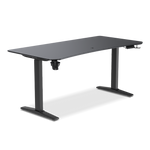
A standing desk or adjustable desk is a desk designed with adjustable height. Some models adjust manually, while others use an electric system that moves up and down smoothly with the push of a button. The main purpose is to allow users to switch between sitting and standing postures throughout the day, reducing the habit of sitting in a chair for hours without realizing it.
In the Work from Home era, where the home becomes an office, meeting room, and creative space, a standing desk meets lifestyle needs by offering flexible workspace arrangements and promoting health simultaneously.
Many might think standing all day would be tiring, but the concept is to "alternate postures," not "stand all the time." Changing positions throughout the day helps reduce pressure on the spine and encourages the body to be more active.
How does a standing desk differ from a regular desk?
The most significant difference is "height adjustability." Regular desks typically have a fixed height, often forcing some people to hunch their necks, raise their shoulders, or use a chair that doesn't fit their body properly.
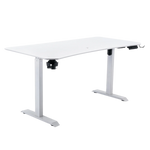
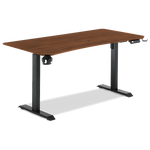
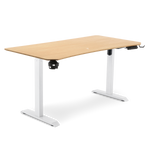
In contrast, a standing desk can be set to the perfect height for the user, whether sitting or standing. The screen should be at eye level, and arms should form a 90-degree angle, helping to reduce neck, shoulder, and back pain.
Additionally, good quality standing desks usually have a strong structure, supporting the weight of multiple computer monitors and accessories, and feature a modern design that easily blends with home office decor. Thus, they serve as both health-promoting furniture and an aesthetic enhancement for the workspace.
Who is a standing desk suitable for?
-
People who work at a computer for 6-10 hours a day or more.
-
Work-from-home individuals who sit for long periods without realizing it.
-
Freelancers, creators, programmers, marketers who need sustained focus.
-
Gamers or streamers who spend many hours in front of a screen.
-
People experiencing neck, shoulder, or back pain from prolonged sitting.
-
Individuals who want to change their habits and reduce continuous sitting throughout the day.
-
Health-conscious individuals who want to move their bodies while working.
-
Those who want to increase their energy and productivity when working from home.
Why Work-from-Home Individuals Should Have a Standing Desk
Working from home might seem comfortable, but often we sit for longer periods than usual without realizing it, leading to back pain, neck pain, or feeling sluggish in the afternoon. A standing desk becomes an important tool to ensure that working from home doesn't negatively impact long-term health.
Let's look at the main reasons why work-from-home individuals should have a standing desk.
Reduces back and neck pain from prolonged sitting
Sitting continuously for hours puts constant pressure on the back and neck muscles, leading to chronic pain. A standing desk helps reduce pressure on the spine and allows the muscles to change their usage.
When the screen is adjusted to eye level, it helps prevent hunching the neck without realizing it, which is a primary cause of office syndrome.
Helps stimulate movement throughout the day
Standing while working encourages more body movement, such as shifting weight between legs or slightly moving shoulders and arms, which helps stimulate blood circulation.
While not a full workout, it helps reduce the risk associated with a sedentary lifestyle to some extent.
Increases concentration and energy for working at home
Many people find that standing while working helps them feel more alert because the body isn't in a relaxed mode like it is when sitting comfortably. As energy increases, so does concentration, making creative tasks or online meetings more effective.
Health Benefits of a Standing Desk
-
Reduces pressure on the spine from prolonged sitting.
Sitting for many hours continuously puts constant weight on the spine and intervertebral discs. Alternating to standing helps distribute the pressure and reduces accumulated tension in the lower back. -
Relieves neck, shoulder, and back pain from repetitive postures.
When the desk can be adjusted so the screen is at eye level, it helps reduce the habit of hunching the neck or raising the shoulders without realizing it, which is a main cause of office syndrome. -
Boosts blood circulation throughout the day.
Standing while working keeps the body moving slightly, such as shifting weight or moving legs, which helps improve blood circulation and reduces numbness in the hands and feet. -
Reduces sedentary lifestyle habits.
Sitting all day is considered a long-term health risk. A standing desk makes it easier to change postures without interrupting work. -
Helps burn a small amount of extra energy daily.
While standing is not a full workout, the body uses more energy than sitting, supporting long-term fitness goals. -
Automatically improves posture.
When standing correctly, shoulders are open and the back is straight, which makes you look more confident and elegant, especially during online meetings or presentations. -
Reduces fatigue and afternoon drowsiness.
Switching from sitting to standing helps the body feel more alert and the mind clearer, reducing the sluggishness that often occurs after lunch. -
Supports long-term health when combined with breaks and stretching.
If sitting and standing are alternated appropriately, along with regular muscle stretching, a standing desk becomes an important tool for daily health care for work-from-home individuals.
What type of standing desk is suitable for working from home?
For home use, choose a desk that fits the space, isn't too large, and has an easy-to-use adjustment system. Electric models are more convenient as they adjust quickly.
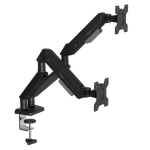
The structure should be sturdy, not wobble when typing, and support the weight of your equipment. If using multiple monitors, check the weight capacity before purchasing.
Design is also important, as the desk is part of your workspace that you see every day. Choose a style that matches your home's aesthetic, and it will surprisingly improve your work atmosphere.
How to use a standing desk effectively without getting tired or fatigued
The key is to "alternate postures" every 30-60 minutes. You shouldn't stand all day immediately; start with short periods, such as 15-20 minutes, and gradually increase the time.
Set the desk height so your elbows form approximately a 90-degree angle, and the screen is at eye level. It's also advisable to wear supportive shoes or use an anti-fatigue mat to reduce pressure on your feet.
Don't forget to stretch your muscles and rest your eyes periodically to ensure effective use and prevent new types of pain.

If you're looking to upgrade your home workspace to be both "more professional" and "genuinely healthier," a standing desk from TTRacing Thailand is a solution you shouldn't overlook. With a modern design, sturdy construction, and support for all your equipment, including computers, secondary monitors, or serious work setups, it features smooth, one-button height adjustment. This allows you to switch between sitting and standing according to your workflow and body's needs. Because good Work from Home isn't just about sitting comfortably, but about working efficiently without long-term back pain.
Transform your ordinary desk into a stylish and energetic workspace with an adjustable desk from TTRacing. To order, please visit the TTRacing.co.th website or chat with us through LINE @TTRacing and Facebook: TTRacing Thailand. Our team is ready to help you choose the right furniture to make your office or workspace as comfortable and efficient as possible.
Follow news and great promotions from TTRacing Thailand on:
Facebook: TTRacing Thailand
TikTok: TTRacing_Thailand (Live streaming channel)
Instagram TTRacing_th
X: TTRacing
YouTube: TTRacing
FAQ: Frequently Asked Questions
Q: How many hours a day should I stand while working?
A: It's recommended to alternate sitting and standing, aiming for about 2-4 hours of standing per day, broken into short periods.
Q: Is it good to stand all day while working?
A: No, you should not stand all day. It's best to alternate postures to reduce fatigue and pressure on your legs.
Q: Can a standing desk help reduce belly fat?
A: It helps burn a small amount of extra energy, but it should be combined with proper exercise and nutrition.